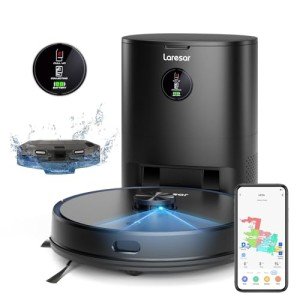
Robotic Hoovers: The Future of Home Cleaning
In the last few years, robotic hoovers have actually quickly gained appeal as a convenient option for contemporary home cleaning. These autonomous devices use effective and simple and easy cleaning options, enabling house owners to maintain tidy living areas without the exhausting effort typically related to vacuuming. This short article looks into the operations of robotic hoovers, their advantages, and considerations for prospective purchasers.
What is a Robotic Hoover?
Robotic hoovers, commonly called robotic vacuum, are compact, automated gadgets created to tidy floors with minimal human intervention. They make use of numerous technologies to navigate around obstacles, spot dirt, and adapt to various surfaces for ideal cleaning.
Key Components of Robotic Hoovers:
| Component | Description |
|---|---|
| Sensing units | Assist in discovering barriers and cliff edges |
| Brushes | Enable effective dust and debris removal |
| Vacuum Mechanism | Suctions dirt into a collection chamber |
| Battery | Powers the system for independent operation |
| Control Software | Allows navigation, scheduling, and cleaning mode personalization |
How Do Robotic Hoovers Work?
Robotic hoovers resolve a combination of sensors, electronic cameras, and expert system to navigate and tidy floorings. Here's a basic overview of their operation:
- Mapping and Navigation: Some advanced models use LiDAR innovation or cams to develop a map of the cleaning areas. Standard models may run using bump sensors, which activate actions upon contact with challenges.
- Cleaning Patterns: Robotic hoovers often follow systematic cleaning patterns, such as zigzag or spiral, to guarantee extensive coverage. More advanced ones use algorithms to cover the entire area effectively.
- Dirt Detection: Many designs are geared up with dirt detection technology that enables them to focus on particularly filthy locations before moving on.
- Automatic Recharge: When the battery is running low, robotic hoovers instantly return to their docking stations to recharge, ensuring they are always all set for the next cleaning cycle.
Advantages of Robotic Hoovers
Enhanced benefit is a leading advantage of robotic hoovers, but there are numerous other benefits worth thinking about:
- Time-Saving: Users can set cleaning schedules and leave the device to do its work, enabling them to concentrate on other jobs.
- Consistent Cleaning: Robotic hoovers can maintain daily or weekly cleaning routines, resulting in consistently cleaner floors.
- Multi-Surface Cleaning: Many models can cleaning a variety of surface areas, including hardwood, tile, and carpet.
- Compact Design: The small size of robotic hoovers enables them to access tight and hard-to-reach areas where conventional vacuums might struggle.
- Smart Features: Many robotic hoovers are now compatible with clever home systems, enabling users to start and control cleaning through mobile phone apps or voice commands.
Drawbacks of Robotic Hoovers
Regardless of their numerous advantages, robotic hoovers likewise feature some drawbacks that possible buyers need to bear in mind:
- Limited Suction Power: While they are efficient for regular upkeep, they might not replace standard vacuums for deep cleaning.
- Upkeep Requirements: Users need to regularly empty dust bins, clean brushes, and alter filters to maintain ideal performance.
- Rate Point: High-quality robotic hoovers can be considerably more expensive than basic vacuum cleaners.
- Dependence on Flat Surfaces: While innovative designs can handle some barriers, high transitions, extremely thick carpets, or cluttered spaces may posture difficulties.
Picking the Right Robotic Hoover
When selecting a robotic hoover, prospective purchasers ought to consider several crucial aspects:
- Cleaning Needs: Consider the types of surfaces and the level of particles present in the home.
- Battery Life: Longer battery life permits more substantial cleaning sessions.
- Navigation System: Opt for designs with advanced mapping abilities if your home is big or complex.
- Smart Features: Determine if integration with wise home devices is a priority.
- Spending plan: Assess the balance between desired functions and price.
Popular Features to Look For:
- Self-emptying Dock: Some designs offer self-emptying dust bins, reducing upkeep efforts.
- Virtual Barriers: This function can keep the vacuum out of specific locations such as pet bowls or playing areas.
- Mop Functionality: Certain robotic hoovers can also mop floorings in addition to vacuuming, providing much deeper cleaning.
Frequently asked question Section
Q1: Do robotic hoovers work on carpets?
Yes, a lot of robotic hoovers are developed to clean up a variety of surface areas, including carpets. Nevertheless, performance might differ based on the particular design and kind of carpet.
Q2: How often should I run my robotic hoover?
It is advised to run the robotic hoover a minimum of when a week for ideal home cleanliness. Nevertheless, lots of users find worth in daily cleaning.
Q3: Can I control my robotic hoover remotely?
Many modern-day robotic hoovers come with accompanying mobile phone apps that allow users to schedule cleanings, track the vacuum's place, and control its operations remotely.
Q4: What upkeep does a robotic hoover need?
Routine maintenance includes emptying the dustbin, cleaning brushes, and replacing filters as required-- usually every 6 to 12 months.
Q5: Are robotic hoovers safe for animals?
Yes, the majority of robotic hoovers are safe for animals, however it's essential to ensure they do not get stuck or tangled in the device.
Robotic hoovers represent a significant advancement in home cleaning technology. While they may not entirely change conventional vacuum cleaners, their benefit and effectiveness make them an attractive option for hectic households. By comprehending Gudrun Ayotte , advantages, and potential downsides, consumers can make educated decisions when picking a robotic hoover to boost their home cleaning regimens.